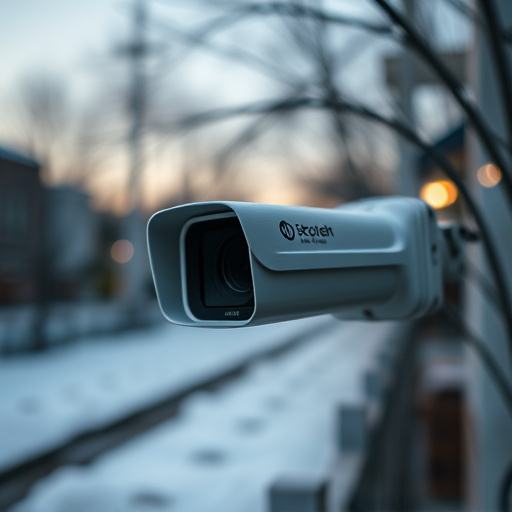
Small hidden cameras in nurseries offer enhanced security through discreet monitoring, aiding child safety and staff supervision while adhering to privacy laws. Placement requires strategic positioning, advanced technology, and knowledge of detection methods to avoid covert recordings, ensuring compliance with local regulations.
In today’s digital era, ensuring the safety and security of children in nurseries is paramount. This comprehensive guide delves into the world of covert recording spot identification, equipping parents and caregivers with essential knowledge. We explore various types of small hidden cameras designed specifically for nurseries, effective methods to locate and detect secret cameras, and crucial legal considerations surrounding covert recordings. By understanding these aspects, you can create a safer environment for your child.
- Understanding Covert Recording Spot Identification
- Types of Small Hidden Cameras for Nurseries
- Locating and Detecting Secret Cameras Effectively
- Legal Considerations for covert recordings in nurseries
Understanding Covert Recording Spot Identification
Covert recording, or using small hidden cameras, in sensitive areas like nurseries requires a deep understanding of both technology and privacy laws. Spot identification is a meticulous process that involves discreetly placing these tiny devices to capture footage while avoiding detection. The key lies in leveraging their compact size and advanced features, such as night vision, motion activation, and high-definition video quality.
Nursery owners or staff can use these small hidden cameras to ensure the safety and well-being of children, monitor staff behavior, or deter potential theft. However, it’s crucial to position them strategically without compromising privacy. This method demands careful consideration of angles, distance, and placement to achieve optimal coverage while adhering to legal guidelines regarding surveillance in care facilities.
Types of Small Hidden Cameras for Nurseries
Nurseries and child care centers require a level of security and surveillance to ensure the safety and well-being of young children in their care. One effective way to achieve this is through the strategic placement of small hidden cameras. These devices offer discreet, all-encompassing coverage, allowing caregivers to monitor activity without interrupting the nursery environment.
There are various types of small hidden cameras designed specifically for nurseries. Some models resemble common household items like toys, books, or electrical outlets, making them nearly invisible to children and adults alike. Others are compact and portable, easily hidden in corners or behind furniture. Advanced features such as motion detection, night vision, and two-way audio further enhance their capabilities, providing caregivers with real-time insights into the nursery’s activities.
Locating and Detecting Secret Cameras Effectively
Locating secret cameras, especially in sensitive areas like nurseries, requires a combination of advanced technology and keen observation. One effective method is to utilize specialized equipment designed to detect hidden recording devices. These tools often include infrared sensors and motion detectors that can uncover small hidden cameras, which might be disguised as everyday objects. For instance, a nursery owner could employ a thermal imaging camera to search for unusual heat signatures indicating the presence of covert recording devices.
Additionally, professionals recommend regular visual inspections and a thorough understanding of common hiding spots. By being vigilant and staying informed about the latest techniques used for hidden cameras, such as tiny USB drives or miniature lenses disguised as buttons or plugs, nursery owners can take proactive measures to ensure their spaces remain private and secure.
Legal Considerations for covert recordings in nurseries
In many jurisdictions, covert or hidden camera usage in nurseries is subject to strict legal guidelines. The primary concern revolves around privacy rights and consent, with parents or guardians typically needing to give explicit permission for such monitoring. This is especially sensitive given the trust between caregivers and families, making small hidden cameras for nursery settings a complex issue.
While some regions allow covert recordings under specific circumstances, like for safety purposes or investigating allegations of abuse, the evidence gathered must adhere to legal standards. Failure to comply can result in serious legal repercussions for childcare facilities. Thus, it’s crucial for nurseries considering this method to thoroughly understand and follow local laws regarding small hidden cameras in their operations.
The guide has explored the critical aspects of covert recording spot identification, particularly in nursery settings. Understanding the various methods and tools available, such as small hidden cameras designed for nurseries, is essential for effective monitoring while adhering to legal boundaries. By learning to locate and detect secret cameras, nursery owners can ensure a safe and secure environment for children, empowering them with knowledge to navigate this technology responsibly.